


Výroba plechu
Výroba plechu je proces premeny plechu na kovové konštrukcie tvarovaním plechu, rezaním, dierovaním a montážou a slúži širokým priemyselným odvetviam, ako je letecký priemysel, automobilový priemysel, spotrebný tovar, elektronika, stroje, stavebníctvo a infraštruktúra. Je to veľmi flexibilný proces, takže ho možno použiť vo väčšine priemyselných odvetví na vytváranie všetkého od komponentov až po karosérie automobilov.
| Zariadenia na výrobu plechov |
Hlavnou časťou prác pri výrobe plechu je tvárnenie plechu, ktoré pozostáva z dierovania, ohýbania, strihania, hlbokého ťahania, vydúvania, spriadania a razenia, pričom toto výrobné riešenie je špeciálne určené pre oceľ, hliník, nerez. Spomedzi všetkých riešení na tvárnenie kovov sú najpoužívanejšie raziaci lis a CNC stroj.
Nástroje na výrobu plechov
√ CNC stroj
√ Press bend
√ Mechanical stamping
√ Hydraulic stamping
√ Laser cutting machine
√ Plasma cutting
√ Laser punching machine
√ TIG, MIG Welding Robots
| Proces výroby plechu |
Sheet metal fabrication process consists of a set of manufacturing activities for turning sheet metal into functional parts or product. Normally, the fabrication process has four main production solutions: metal cutting, forming, finish and joining. Metal cutting has two types: cutting with shear force and cutting without shear force. In sheet metal manufacturing business, cutting without shear force is extremely important, and it includes laser cutting, plasma cutting and water jet cutting.
Výhody a nevýhody rezania bez šmykovej sily.
Cutting bez šmyku | Výhoda | Nevýhoda | Tolerancia | Rezanie Rozsah | Aplikácia |
Laser Rezanie | 1.Suitable for wide range of material 2.Gryte 3.Small residual burrs 4.Malá deformácia | 1.Heat distortion in a small oblasť rezu 2. Vysoké náklady 3.Leaves HAZ(heat postihnutá zóna) 4.Relatívne vysoké náklady | 0.05 mm | 0.40 mm -2 mm | 1.Stredne-tenké listy 2.Kovové alebo nekovové-plechy 3.Less efficient as the material thickness increases 4.Serving industries which requires high accuracy |
Plasma Rezanie | 1.Much cheaper than laser cutting 2.Suitable for wide range of metal | 1. Zjavný HAZ 2.Rough cut with large burrs 3.Poor perpendicular cutting surface 4.Only suitable for conductive material | 0.5 mm | 0.7 mm -80 mm | 1.Stredne-hrubé kovové platne 2.For heavy duty metal works |
Water Jet Rezanie | 1. Bez otrepov alebo nečistôt 2. Môže rezať veľmi široký materiál 3. Vysoká presnosť 4. Bez HAZ | 1.Can't do marking or engraving 2.Large kerf width (0.5-1mm) 3.Less precise than laser cutting 4.Higner cost than laser cutting | 0.2 mm | 10 mm -50 mm | 1.Cutting finish is worth the extra expense 2.Serving industries which requires high accuracy |
Rezanie riešení šmykovou silou
1. Strihanie, vhodné pre veľkoobjemové operácie, priame rezy pre mäkšie materiály, ktoré nevyžadujú čistý povrch.
2. Dierovanie a vysekávanie, vhodné pre stredné až veľké objemy na vytvorenie rovnakých tvarovaných otvorov a je potrebné odstrániť otrepy.
Sheet metal forming is to make a nearly finished product, and it also adds strength and stiffness to an assembly. Forming fabrication mainly consists of bending, stamping, rolling, roll forming, metal spinning, hemming, curling and drawing. The finishing of sheet metal is one of the most crucial steps in ensuring that the product does not only work, but works for as long as possible. Joining is almost the last step of sheet metal fabrication, and it covers welding, fastening and soldering.
| Zohľadnenie dizajnu plechu |
√ Wall thickness, sheet metal products are fabricated from one sheet of metal, the part must maintain uniform wall
thickness throughout.
√ Tolerance, sheet metal parts normally have bigger tolerances are compared with CNC machining parts because
stress in the material can cause the material to stretch. The more processes a part undergoes, the more difficult it
becomes to achieve tight tolerances.
√ Material yield strength and tensile strength, it is often associated with springback effect.
√ Hole diameter, hole diameter less than the thickness can lead to deformation due to the kerf or distortion caused
by the laser beam. It is possible to laser cut holes with a diameter smaller than the material thickness, but to stay
on the safe side, it's better to have a diameter which is same size or greater than the sheet thickness.
√ Hole space should be at least 2 times the sheet thickness, and if holes are too close to each other, it can lead to
deformation or split during forming.
√ Holes shall be at least 2 times the sheet thickness from the start of the bend radius
√ Consider K-factor to avoid deformation and tearing
√ Keep the interior bend radii at least same as the material thickness
√ Use the same radii with consistent bend orientations to reduce costs
√ Add bend reliefs to prevent tearing and reduce the risk of springback
√ Ensure the bend height at least double the material thickness plus the bend radius
√ Mechanical character, ductility (elongation at break, machinability, weldability and tensile strength)
√ Corrosion Resistance
√ Weight
√ Cost
| Kontrola plechu |
Vzhľadom na to, že všetky plechové diely (okrem dielov z nehrdzavejúcej ocele) potrebujú povrchovú úpravu, naše oddelenie kvality musí pred odoslaním vyrobených dielov na povrchovú úpravu vykonať pilotnú kontrolu a kontrolu hromadnej výroby. Špeciálne pre všetky zvárané diely, ktoré si vyžadujú práškové lakovanie, naši operátori potrebujú rozdrviť rozstreky a trosky zo zvárania a naši inšpektori musia vyriešiťkovové časti s chybami zvárania during the welding fabrication process.
Fabmann používa hlavne ohýbacie lisy a hydraulické raziace stroje s automatickým podávačom, pretože sú veľmi cenovo{0}}efektívnym spôsobom výroby tvarovaných plechových komponentov pomocou bežných nástrojov pre širokú škálu uhlov ohybu, konfigurácií foriem a typov materiálov . Fabmann je všestranné riešenie na výrobu rôznych plechových komponentov a vždy vieme vybrať najvhodnejšie výrobné riešenia na optimalizáciu produktivity a minimalizáciu výrobných nákladov pre našich klientov. Aby ste z výroby plechu vyťažili to najlepšie, musíte poznať mechanické vlastnosti plechu.
Mechanický charakter plechového materiálu
| Kovový materiál | Elongation at Breat | Obrobiteľnosť | Zvárateľnosť | Corrosion Resistance | Pevnosť v ťahu |
| Hliník 5052 | 7-27 percent | Fér | Dobre | vyborne | 195-290 MPa |
| Hliník 5754 | 10-15 percent | Dobre | vyborne | vyborne | 160-200 MPa |
| Nerezová oceľ 304 | 45-60 percent | vyborne | vyborne | Dobre | 480-620 MPa |
| Nerezová oceľ 316 | 30-50 percent | Dobre | vyborne | vyborne | 480-620 MPa |
| Mäkká oceľ | 17-27 percent | Dobre | vyborne | Chudobný | 190-440 MPa |
Vďaka rozsiahlej povrchovej úprave kovov Fabmann, ktorá zahŕňa práškové lakovanie, žiarové zinkovanie, sherardizáciu a zinkovanie, sme schopní obslúžiť široké priemyselné odvetvia:

1. Skúška nárazom oceľového materiálu
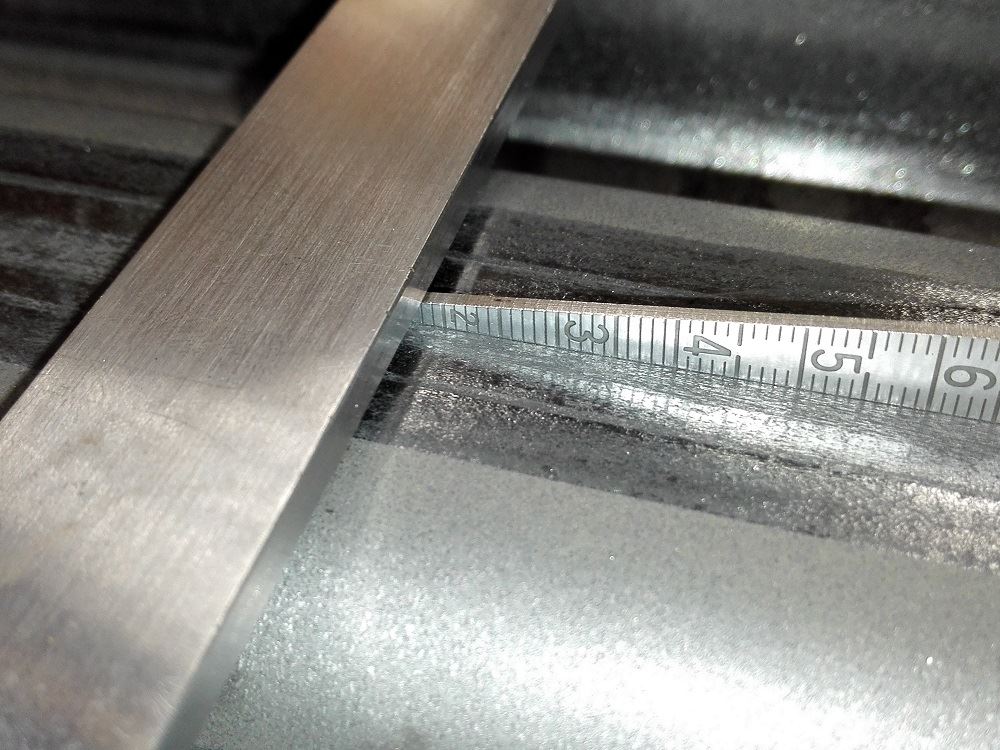
2. Kontrola rovinnosti profilu

3. Stlačte tlačidlo Kontrola ohybu

4. Vizuálna kontrola

5. Kontrola zvárania

6. Kontrola hrúbky práškového laku
Hot Tags: Vlastné plechy, Lisovanie plechu, Orezávanie plechu, Komponenty z plechu, Ohraňovacie plechy, Výroba plechových dielov, OEM plechové diely, Vlastné plechové diely, Vlastné lisovanie plechu, OEM lisovanie plechu, Diely na ohýbanie lisom, Lisovanie a zvárané diely, Výroba plechov, Výroba a zváranie plechov
- +86-21-22811110
- sales@keyiindustrial.com
- 1. Podlaha, Nr.1440, Yan'An Cesta, Šanghaj Čína.11